-
Supplements You Can TRUST 

Shop By Category


Best Sellers & Special Offers






-

Featured Subscription
Subscribe & SAVE 10%D3/K2 Power
Subscribe & Save Set Up Subscription-
Product Details

Vitamin D deficiency is a current epidemic in our society today, affecting 90% of the world`s population. According to Vitamin D expert Michael Holick, `We estimate that vitamin D deficiency is the most common medical condition in the world." It is clear that most people are not getting enough healthy sun exposure.
As a clinician, I see very serious health problems associated with long-term vitamin D3 deficiencies. Vitamin D3 deficiency will impact the development and stability of the immune system, the nervous system, and the endocrine system.

Why is Vitamin D important?
Vitamin D is a fat-soluble vitamin. It’s essential for many areas of your health, including immune health, bone health, muscle health, brain function, and mental health.
Vitamin D more resembles a hormone than a vitamin by function. Hormones are chemical messengers that interact with cell receptors to produce specific biological responses. Calcitriol, the active form of Vitamin D, is arguably the most powerful hormone in the body. It has the ability to activate over 1,000 genes, which is roughly 5-10% of the human genome.
Vitamin D3 is also shown to boost glutathione production in the neuronal cells and protect them from damage inflicted by oxidative stress. Vitamin D also helps to modulate the immune system to reduce inflammation throughout the body.

What are optimal Vitamin D levels?
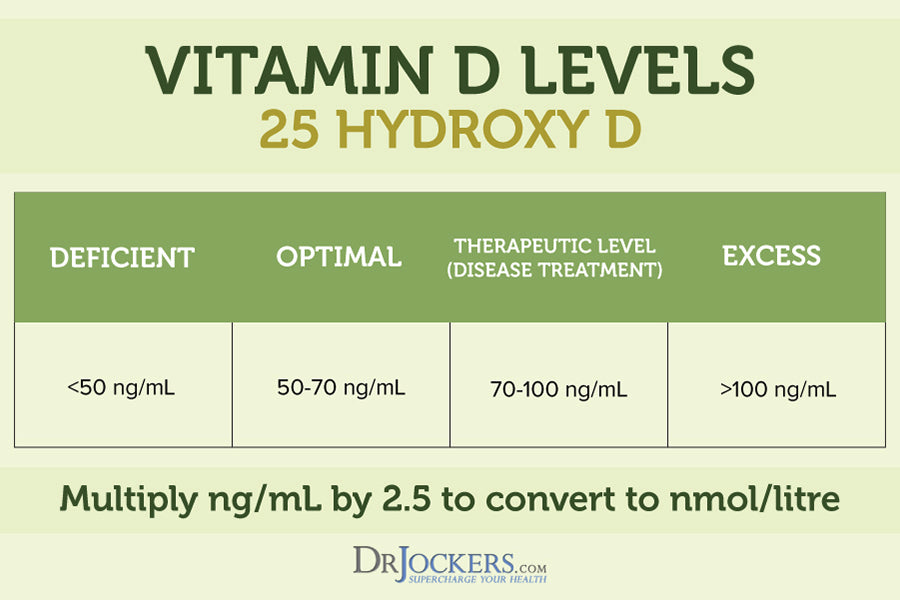
Vitamin D3 levels are most often understated. In the medical world, levels below 32 ng/ml are considered sufficient.
However, much research has shown this level is only sufficient to prevent the development of rickets but not sufficient enough for optimal function (5).
Functional medicine doctors use the following ranges for optimal vitamin D3 levels.
Why is Vitamin K2 critically important?
Vitamin K1 is necessary for blood coagulation and is produced by green leafy vegetables. This form of vitamin K helps assist in the formation of anticoagulant factors, protein C & S.
Vitamin K2 is necessary to convert a critical bone-building protein called osteocalcin. Osteocalcin is a necessary protein that helps maintain calcium homeostasis in bone tissue.
Inadequate K2 inhibits osteocalcin production and reduces calcium flow into bone tissue. This leads to reduced bone mass and a weakened bone matrix.
Vitamin K2 is found in fermented grass-fed dairy, fermented soy (natto), and some fermented veggies.
Additionally, if one has leaky gut syndrome or a bad microbial balance in their gut (dysbiosis), they will be unable to synthesize enough vitamin K2.
Most people are not getting adequate vitamin K2 levels due to a diet deficient in fermented foods and the above-mentioned digestive challenges.
***Vitamin K2 works in synergy with vitamin D and magnesium to help improve calcium metabolism, immune, muscle, and mitochondrial function.

What is the importance of Magnesium?
Magnesium is an essential cofactor for vitamin D synthesis, and activated vitamin D, in turn, can increase intestinal absorption of magnesium and, therefore, can form a feed-forward loop to maintain its homeostasis.
Studies have suggested that magnesium could determine the number of vitamin D receptors; therefore, a deficiency in magnesium levels results in a reduced number of available vitamin D receptors in the target cells.
Additionally, magnesium also plays an important role in the conversion of the inactive form of vitamin D in the liver to 25-OH D3 and then into the active 1,25 calcitriol in the kidneys.
A magnesium deficiency would lead to poor uptake and conversion of D3 and symptoms associated with vitamin D3 deficiency.

What is the Synergy Between Vitamin D3, Vitamin K2, and Magnesium?
Too much vitamin D3 without the right amount of vitamin K2 and magnesium has been shown to be hazardous.
Vitamin D3 increases the demand for K2 and magnesium, as well as the potential to benefit through the bone building proteins osteocalcin and Matrix GLA protein (MGP).
These proteins activate calcium channels to pull calcium into the bone and out of soft tissue structures. Be sure to consume vitamins D3, K2, and magnesium together for optimal bone and cardiovascular health.

What is Unique About our D3/K2 Power?
We formulated D3/K2 Power to contain the optimal ratio of vitamin D3, vitamin K2, and magnesium for optimal cellular function and calcium metabolism.
This formula is the ONLY formula we are aware of that contains this ideal ratio of 5,000 IU of D3, 150 mcg MK-7 form of vitamin K2, and 120 mg of magnesium citrate in a highly absorbable form for optimal delivery of these key nutrients.
What is the recommended dosage?
Normal Dosage: 1 capsule daily with food (earlier in the day)
Advanced Dosage: 2 capsules daily with food (earlier in the day) for 30–90 days or as recommended by your health care practitioner.
When introducing a new supplement, we recommend taking the lowest dose for 2-3 days. As tolerated, increase the dose until you have reached the recommended normal or advanced guidelines. Reduce to a tolerable dosage if adverse effects occur.
“MK-7 supplements containing more than 50 mcg/d may interfere with oral anticoagulant treatment (blood thinners), whereas doses of at least 50 mcg are not likely to affect the INR value in a relevant way. (20)”
This supplement does contain 150 mcg of MK-7– so it is not to be used by anyone taking blood thinning treatments.
FAQs
What is the source for Vitamin D3 and Vitamin K2?
The sourcing of the Vitamin D3 is from Lanolin (sheep’s wool). Our Vitamin K2 MK-7 is derived via a fermentation process using a strain of Bacillus subtilis natto.
-
-

Featured Subscription
Subscribe & SAVE 10%ImmunoCharge
Subscribe & Save Set Up Subscription-
Product Details

Why choose ImmunoCharge?
Your immune system is a complex system that protects you from viruses, bacteria, parasites, and other pathogens. It is a complex system that’s essential for your health and survival.
Optimal immune support is important for your health at all times. As we face more stressful experiences, it is even more important to strengthen our bodies with good immune support nutrients.
Your body was created to overcome the challenges of the environment. However, you must be an active participant and work to make your body stronger and more resilient to stress. Our 10:1 ImmunoCharge formula is designed to help you do that!
What are the key ingredients?
Quercetin:
Quercetin is a plant flavanol from the flavonoid group of polyphenols that adds color to plants and is mostly found in the skin and leaves of various plants. Some of the best food sources include elderberries, red onions, cranberries, capers, kale, blueberries, and apples.
Quercetin helps to improve the functional properties of immune cells while downregulating the production of inflammatory cytokines and histamines that overstimulate the body’s inflammatory response (1, 2).
Quercetin also works as a zinc ionophore and helps facilitate the movement of zinc into the cell and increase intracellular zinc levels. This process helps reduce viral replication and improves the inflammatory process (3, 4).

Zinc:
Zinc is critical for balancing the immune system and keeping the Th-1 and Th-2 systems in check. Zinc potentiates the action of the human cytokine interferon alpha, a protein that inhibits viral replication. This reduces immunological stress and improves the immune coordination (5, 6).
Zinc is also a very specific component of specific enzymes in the body, including superoxide dismutase enzymes (SODs). SOD is a powerful intracellular antioxidant that protects cellular genomics and prevents viral infection and toxic debris accumulation within the cellular matrix.
Zinc helps improve the body's natural immunological response while keeping inflammatory activity from spiraling out of control (7).

Vitamin D:
Vitamin D plays an important role in both innate and adaptive immune responses. The active form of Vitamin D plays a key role in maintaining immune homeostasis (8, 9).
D3 is an immunomodulator targeting various immune cells, including monocytes, macrophages, and dendritic cells, as well as T-lymphocytes and B-lymphocytes. Numerous large epidemiological studies and meta-analyses have linked inadequate vitamin D levels to a higher susceptibility to immune-mediated disorders, including chronic infections and autoimmune diseases (10, 11)

N-Acetyl Cysteine:
N-Acetyl Cysteine (NAC) is a source of the essential amino acid L-cysteine, a precursor to the super antioxidant glutathione. Together, NAC and glutathione support the body’s antioxidant and detoxification activity. Glutathione is our most important antioxidant and is often deficient as we age or when we are exposed to a variety of toxins and infections.
NAC also helps to break down excess mucus and acts as a protective shield during cold and flu season (12, 13, 14). NAC offers the following health benefits:

Vitamin C:
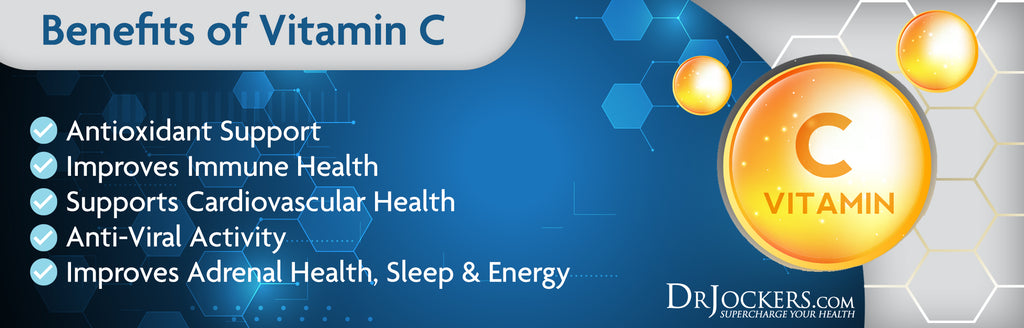
Vitamin C is an essential antioxidant that supports both the innate and adaptive immune response, with decades of research supporting its therapeutic properties. White blood cells are under enormous oxidative stress when they attack pathogens. To handle this oxidative stress, they need 50 times more vitamin C inside the cell than in the blood plasma.
Vitamin C acts to protect the endothelial lining of the blood vessels, lungs, and other important tissues from pathogens and increased oxidative stress. It also helps to tame down inflammatory cytokines and improve immune coordination (15, 16).
Vitamin C plays a critical role in the anti-viral response by activating the anti-viral interferon – α/β. It also plays a role in decreasing the pro-inflammatory TNF-alpha and NF-Kb pathways that are associated with a higher rate of inflammatory activity in the body (17). Vitamin C offers the following health benefits:
Selenium:Selenium (Se) is an essential trace mineral that, through its incorporation into selenoproteins, plays a pivotal role in maintaining optimal health. Insufficient intake of Se enhances predisposition to diseases associated with oxidative stress to cells and tissues, while supplementation above the recommended levels has been shown to confer health benefits such as enhanced immune competence and resistance to viral infections, and in animal models and human studies (18).
Selenium status is known to influence the functioning of all components of the immune system and its ability to respond to infections and cancers; Se is found in significant amounts in immune tissues such as the spleen, lymph nodes, and liver.
A selenium deficiency leads to reduced function of all immune cells and higher rates of viral infection and inflammation. Adequate levels of Se are important for initiating immunity, but they are also involved in regulating excessive immune responses and chronic inflammation (19). Selenium offers the following health benefits:

Resveratrol:
Resveratrol is the most well-known polyphenolic stilbenoid, present in grapes, blueberries, mulberries, rhubarb, and several other plants.
Resveratrol regulates immunity by interfering with immune cell regulation, proinflammatory cytokines’ synthesis, and gene expression. The effects of this biologically active compound on the immune system are associated with widespread health benefits.
Resveratrol has been shown to improve the immune response to various environmental challenges by regulating the renin-angiotensin system (RAS) and the expression of angiotensin-converting enzyme 2 (ACE2) and downregulating pro-inflammatory cytokine release. It was also reported to promote SIRT1 and p53 signaling pathways and increase cytotoxic T lymphocytes (CTLs) and natural killer (NK) immune cells.

Magnesium:
Magnesium is one of the most abundant minerals in the human body and is used in over 300 different physiological processes. Unfortunately, magnesium is also one of the most pervasive deficiencies in our society today.
Magnesium and vitamin A are critical for the activation of vitamin D, and many people will supplement with vitamin D but not get the desired benefit due to deficiencies in magnesium and vitamin A.
A magnesium deficiency is associated with higher levels of inflammation, susceptibility to infection, trouble sleeping, muscle cramping, pain, and poor healing processes (22). Magnesium offers the following health benefits

Vitamin A:
Vitamin A is an essential micronutrient for immunity, cellular differentiation, growth, reproduction, maintenance of epithelial surfaces, and vision. Vitamin A plays a critical role in the proper development of the mucosal membranes and the growth and activation of T and B-cells (23).
The epithelium lines all outer surfaces and most inner surfaces of organisms, and it functions as the “front line” of defense against pathogen invasion. Vitamin A is critical for the development and protection of these surfaces and the production of the mucosal membranes that house the antigen's non-specific immune defense.
Vitamin A also plays a critical role in the activation of vitamin D within the cell, so it can carry out its desired effect. A vitamin A deficiency leads to higher viral and bacterial infection rates and higher morbidity and mortality associated with infectious diseases (24).

Vitamin K2:
Vitamin K is a fat-soluble nutrient that plays a critical role in blood clotting and calcium metabolism. It is found in 2 major forms
Vitamin K1 (phylloquinone) is found in leafy green vegetables
Vitamin K2 (menaquinone) is found in dairy, egg yolk, fermented foods, and animal products.
Although these metabolites are both labeled in the vitamin K category, they have different functions. Vitamin K1 is critical for blood clotting, while vitamin K2 works as a vacuum, getting calcium out of the bloodstream and into the bones. This helps improve arterial health, blood flow, and oxygenation into deep tissues of the body (25).
Vitamin K2 also plays an important role in immune health and synergizes with vitamin D to optimize cardiovascular, dental, and bone health. Insufficient levels of vitamin K2 are thought to increase the risk of cardiovascular calcifications and bone loss (26).
Vitamin K2 has also been shown to be an immunomodulator, which helps improve the inflammatory response, which may also be a contributing factor in improving cardiovascular and bone health (27, 28). Vitamin K2 offers the following health benefits

What is ImmunoCharge?
ImmunoCharge is specifically designed to provide you with optimal dosages of these key immune-modulating nutrients and compounds. The synergy of these key nutrients and compounds strengthens immune function and improves the process of inflammation.
Each ImmunoCharge capsule contains the same amount of powerful immune-modulating compounds. These include quercetin, resveratrol, vitamin D, vitamin A, selenium, zinc, vitamin C, N-Acetyl Cysteine, vitamin K2, and magnesium.
These ingredients support the body's natural immune mechanism to help maintain good health. Rather than taking multiple different supplements to get these key nutrients, you can get the clinical dosages within 2 capsules daily of ImmunoCharge.

What is the recommended dosage?
Normal Dosage: Take 1 capsule, 2 times daily with meals for optimal absorption, or as directed by your healthcare practitioner.
Advanced Dosage: Take 2 capsules, 2 times daily with meals for optimal absorption, or as directed by your healthcare practitioner.
This supplement can be used short term or on a continual basis for added antioxidant and overall health support.
When introducing a new supplement, we recommend taking the lowest dose for 2-3 days. As tolerated, increase the dose until you have reached the recommended normal or advanced guidelines. Reduce to a tolerable dosage if adverse effects occur.
Consult your healthcare practitioner before use. Individuals taking medication should discuss potential interactions with their healthcare practitioner. Do not use if the tamper seal is damaged.
-
-

Featured Subscription
Subscribe & SAVE 10%LymphActiv
Subscribe & Save Set Up Subscription-
Product Details
Why choose LymphActiv?
Many of the symptoms of a toxic lymphatic system are commonplace, including brain fog and memory issues. LymphActiv includes several herbs to aid fluid drainage, like burdock root and cleavers. They may act as mild diuretics to help relieve temporary fluid buildup. Burdock root, specifically, has been shown to be particularly effective in supporting the body’s efforts to remove biofilm.
Other herbs in the product include mullein, astragalus root, and red clover extract. The herbs are paired with BioActive Carbon for effective detoxification, coupled with binding and die-off symptom mitigation. This means your detox efforts are optimized while your progression toward overall wellness is maximized.

Why Carbon Technology?
The herbs are paired with Carbon Technology (fulvic acid extracts) to help deliver the herbal constituents to where they’re needed.
Carbon Technology is a proprietary blend of fulvic acids that support cellular repair and the body’s natural ability to detoxify. With a low pH, Carbon Technology also helps protect ingredients from being digested by stomach acid, so that they remain intact as they enter the desired location in the body.
Why does Dr. Jockers like this product?
The importance of establishing drainage begins with the lymphatic system. As part of overall systemic drainage, it’s important to promote optimal drainage from the lymphatic into the kidneys and liver, and then into the colon, to ensure those elements removed through detox have a clear path out of the body.
What is the recommended dosage?
Take 1 capsule twice daily. LymphActiv can be taken with or without food. For maximum potency, we recommend taking it between meals.
LymphActiv can be taken at any time of day. We generally recommend taking one capsule in the morning and one in the evening, or as otherwise directed by your healthcare practitioner.
When introducing a new supplement, we recommend taking the lowest dose for 2-3 days. As tolerated, increase the dose until you have reached the recommended normal or advanced guidelines. Reduce to a tolerable dosage if adverse effects occur.
FAQs:
Can LymphActiv cause detox symptoms?
LymphActiv promotes the body’s natural ability to detoxify.* You may experience mild detox reactions and symptoms while promoting the body’s natural detox processes, such as fatigue or headaches. If this happens, you can open up the capsules to reduce the dosage and consult with your healthcare practitioner.
Prop 65 Concern
Warning: Please consult your healthcare professional before use if you are pregnant, breastfeeding, or considering use for a child.
Warning: Consuming this product can expose you to chemicals including lead, which is known to the State of California to cause birth defects or other reproductive harm.
This product undergoes stringent third-party testing on all ingredients prior to release. Our quality control exceeds FDA GMP compliance, which includes requirements to analyze raw materials for heavy metals, microorganisms, and other contaminants. We have undergone multiple FDA inspections, and our facilities are NSF GMP certified and inspected four times per year.
Examples of how difficult it can be to meet the Proposition 65 .5 mcg level are for instance, a 4 ounce serving of wine contains 6.8mcg of lead which is almost 14 times higher than allowed by Proposition 65. A 4 ounce serving of raw peach contains 3.4 mcg of lead, almost 7 times the limit. And finally a 4 ounce serving of watermelon has naturally occurring levels of 4.5 mcg of lead, 9 times the accepted limits set by Proposition 65.
Read more here.
-
-

Featured Subscription
Subscribe & SAVE 10%Leaky Gut Support
Subscribe & Save Set Up Subscription-
Product Details
Leaky gut or intestinal permeability syndrome is a condition in which the gut lining is damaged. In this condition, large food particles, bacteria, and environmental toxins are able to seep into the bloodstream and cause problems in the body. In a healthy body, your gut lining is healthy, and it is naturally semi-permeable. This means that your gut lining allows important micronutrients to pass through tiny junctions or holes into your bloodstream.
We are talking about very small gateways that don’t allow microbes, toxins, and undigested food particles to get through to your bloodstream to keep your body healthy. These pathogens and harmful substances will be eliminated through urine and stool instead. However, inflammatory foods, environmental toxins, chronic stress, gut dysbiosis, infections, and other factors may compromise your gut lining.

Leaky Gut and Chronic Inflammation
Over time, these factors can seriously damage your gut lining and break apart these tiny passageways, creating bigger holes. When bigger holes develop, your gut lining becomes permeable, and you develop leaky gut syndrome or intestinal permeability. This means that microbes, toxins, undigested large food particles, and other pathogens can easily pass into your bloodstream and cause serious damage to your body.
Leaky gut syndrome can increase chronic inflammation, compromise your immune system, and cause chronic health issues. It may result in an ongoing chronic immune response to these foreign substances, which increases the risk of chronic symptoms, autoimmunity, and other health problems.

Reduced Mitochondrial Function and Gut Dysbiosis
Reduced mitochondrial function and gut dysbiosis are also connected. The mitochondria play a vital role in maintaining cellular energy, regulating immune responses, and allowing healthy functioning. If the mitochondria are impaired, it will impact the health and function of the cell. If these cells are located in the gut lining, they can compromise the integrity and health of the intestinal barrier, contribute to gut dysbiosis, and impact digestive function.
In gut dysbiosis, we see an overgrowth of pathogenic aerobic bacteria. In a normal gut flora, the gut microbiome is dominated by anaerobic bacteria. Anaerobic bacteria thrive in a low-oxygen environment of the healthy colon. Aerobic bacteria can produce histamine and other inflammatory compounds. This may lead to an excessive immune response and increase pro-inflammatory cytokine levels.
Thus, people with poor mitochondrial function and related gut dysbiosis may experience poor regulation of the immune and inflammatory response and can experience chronic inflammation and immune system-related issues, such as autoimmunity.
Again, this can turn into a vicious cycle. Gut dysbiosis can increase bacterial overgrowth. Bacterial overgrowth can increase mitochondrial dysfunction and chronic inflammation. This will further increase leaky gut syndrome, immune dysregulation, and autoimmunity, which will then only further contribute to gut dysbiosis. Thus, again, it’s critical that during treatment we focus both on mitochondrial function and gut health.

Key Nutrients to Support Gut Healing:
The gut needs 3 key compounds in order to heal itself and regulate the gut microbiome. The goal of these 3 compounds is to strengthen the intestinal cell mitochondria and make the intestinal cells stronger and more resilient.
Prebiotics: These are compounds that feed and nourish healthy gut bacteria.
Probiotics: These are beneficial bacteria that eat toxins and secrete nutrients to support the gut lining.
Postbiotics: These are compounds released from healthy probiotic bacteria that enhance the function and integrity of the intestinal cell mitochondria. The most well studied postbiotic is a short chain fatty acid called butyric acid, which acts like mitochondrial medicine in restoring mitochondrial function, especially in the intestinal lining.
The Problem With Most Prebiotics:
The problem is that many types of prebiotics, such as various fibers and polysaccharides from plant-based foods, actually cause more problems for a number of individuals if they have the wrong intestinal ecosystem. This is because the aerobic, pathogenic microbes will flourish with these fibers and release more toxins and inflammatory compounds.
We need prebiotics that do a few things
-
Provide beneficial nutritional support to healthy gut microbes
-
Bind and help remove toxins and bad microbes
-
Restore key minerals and nutrients for the intestinal cells
Based on these 3 things, the only truly beneficial prebiotic for someone struggling with leaky gut is a unique compound called Shilajit due to its high bioactive fulvic and humic acid and mineral content.
Shilajit is a blackish-brown, resinous substance found in the high altitudes of the Himalayas and other mountain ranges. It is a traditional Ayurvedic medicine that has been used for centuries.
-
Supports Beneficial Bacteria: Shilajit contains bioactive compounds, notably fulvic and humic acids, that may encourage the proliferation of beneficial gut flora while simultaneously helping to inhibit the growth of harmful bacteria. This helps maintain a balanced and diverse gut environment, which is crucial for optimal digestion and immune function.
-
Enhancing Nutrient Absorption: Fulvic acid's properties include enhancing the transport and absorption of minerals and other vital nutrients into the cells. Improving the efficiency of nutrient uptake from food, it supports overall digestive health.
-
Soothing the Gut: Shilajit exhibits anti-inflammatory properties that may help soothe the digestive tract and reduce gut inflammation.
-
Detoxification: Its humic substances may help cleanse the digestive system by binding to and flushing out toxins and heavy metals, creating a healthier environment for beneficial bacteria to thrive.
-
Improving Digestive Enzyme Production: Shilajit may support the body's production of digestive enzymes, which are essential for breaking down food effectively.
The Problem With Most Probiotics:
The problem with most probiotic supplements is that they don’t survive the harsh environment of stomach acid, many don’t actually produce much butyric acid and other beneficial postbiotic compounds, and others may actually cause more traffic and stress in the gut.
We also need probiotics that do the following:
-
Spore forming to survive the harsh stomach acid and make it into the intestines alive
-
Produce abundant amounts of mitochondrial medicine in the form of butyric acid and other beneficial postbiotic compounds.
-
Release a variety of antimicrobial compounds that inhibit and trim down the amount of aerobic bacteria in the gut.
The only classification of probiotics that fit these standards is the spore forming bacillus strains of bacteria. We recommend the most well studied bacillus strains, bacillus coagulans and bacillus subtilis.
The combination of these 2 have been shown to be very effective for improving digestive and immune health. They have been shown to help heal the gut barrier and support the production of sIgA and T-lymphocytes in the gut, which are critical to a healthy immune and inflammatory response.
The best dosage is roughly 4-8 billion CFU daily of Bacillus coagulans and 2-4 billion CFU of Bacillus subtilis daily.
The Problem with Most Postbiotics:
There aren’t a lot of postbiotic supplements on the market, but the most well studied postbiotic is butyric acid (or butyrate), which has been shown to
-
Strengthen the Intestinal Cell Mitochondria
-
Seals the Intestinal Lining
-
Improves the Gut Mucosa and Immune Function
-
Supports the Diversity of the Gut Microbiome
-
Improves Inflammatory Processes
-
Reduces Histamine and Mast Cell Activation
The most commonly used butyric acid compound on the market is sodium butyrate. This product is good, but it is water soluble, and thus, it releases the salt component (sodium) from the butyrate in the proximal portion of the small intestine. This means that the main benefit is taken in the front part of the small intestine, and it doesn’t make it deeper into the small intestine or impact the large intestine.
CoreBiome is a lipid soluble form of butyric acid, which means it contains butyrate in a fat-soluble form. This lipid-based structure allows it to bypass the stomach and small intestine more effectively than other butyrate supplements, delivering the beneficial postbiotic butyrate directly to the colon, where it is most needed.
It helps support gut barrier integrity, promotes a healthy inflammatory response, and supports a balanced gut microbiome.
Introducing Leaky Gut Support:
Leaky Gut Support was made from over 20 years of research into intestinal permeability and leaky gut syndrome. It contains the most effective forms of prebiotics, probiotics, and postbiotics in clinically validated dosages.
We combined the power of Shilajit with Bacillus strains of spore forming probiotics and CoreBiome postbiotics.

This is the most powerful supplement to support the intestinal cell mitochondria, balance the gut microbiome, and create a stronger and more stress resilient intestinal lining.
*This product contains 4 billion CFU of Bacillus coagulans and 2 billion CFU of Bacillus subtilis per serving.
What Is the Recommended Dosage?
Recommended Dosage: Take 1 capsule, 2 times daily with or without food
Advanced Dosage: Take 2 capsules, 2 times daily with or without food.
When introducing a new supplement, we recommend taking the lowest dose for 2-3 days. As tolerated, increase the dose until you have reached the recommended normal or advanced guidelines. Reduce to a tolerable dosage if adverse effects occur.
-
-


Dr. Jockers Support Packs
Hand-Selected to Save You Time & Money!
Our customers have spoken!
"The hand-selected products put together by Dr. Jockers are amazing! They make it easy to target my personal trouble areas, hit my goals and supercharge my health!"